MAKE SMALL CORRECTIONS A FOUR-WEEK GROUND COURSE
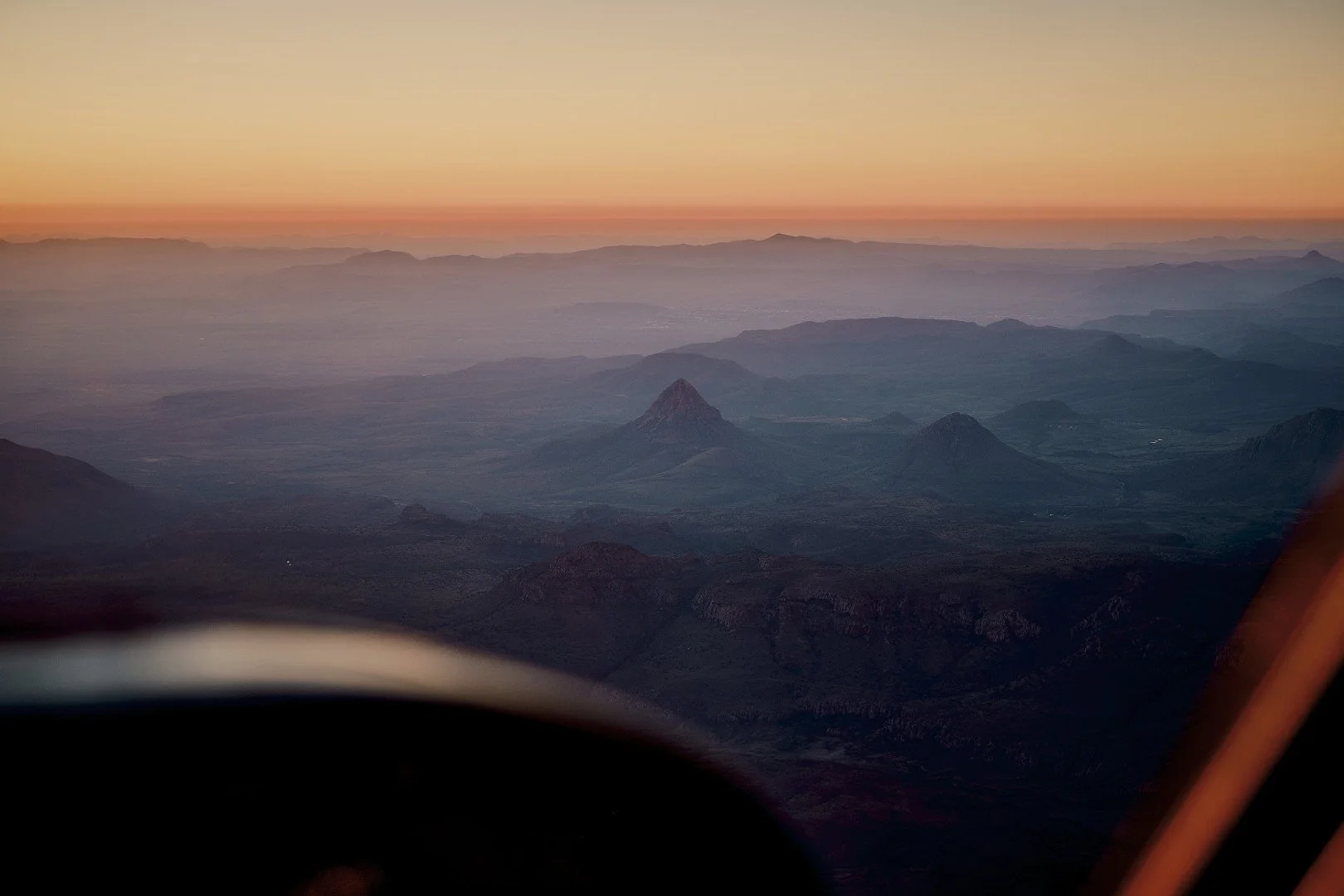
Aerial at sunset
Cross-Country Confidence for VFR Pilots

The Long Way

Training taught you to fly. It didn't teach you to go far.
Every pilot has the trip they dream about: the coast, the mountains, the place three states away. That trip is the one that never happens. Plan it leg by leg, and finally go.
AUG 4 COHORT SOLD OUT / NEXT COHORT, THU AUG 13, SEATS OPEN
WHO THIS IS FOR

You earned the certificate. You can fly. But the big trip never leaves the ground.

1
The same loop
You fly the same forty-mile hamburger run you have flown for years.
2
The trip that stalls
You think about flying somewhere real, then talk yourself out of it.
3
The skill-sharpener
Maybe you're not chasing one big trip. You just want sharper cross-country flying and the tips and habits that make you safer.
Whether you're chasing one big adventure or just want every cross-country to be sharper and safer.
~80%
of newly certificated pilots fly rarely — or stop flying within about two years. There's no checkride for the long trip, yet it's exactly the kind of flying that keeps a certificate alive.
SOURCES · AOPA · SAFE · NAFI
WHY THE TRIP NEVER HAPPENS

It was never the flying. It's everything around it.

The forecast looks marginal two days out, so you scrub the whole idea before you ever start.
You don't know where you'd put it down if the engine went quiet over country you've never seen.
The route runs through airspace, terrain, or a towered field you've never worked.
Real fuel stops, density altitude, and a loaded cabin turn the planning into a wall of math.
So you fly the same loop again. It asks nothing of you.
WHAT ACTUALLY GOES WRONG

The airplane rarely breaks. The plan does.

Most fatal general-aviation accidents trace back to a decision, not a mechanical failure — and almost all of those decisions are made on the ground, before the engine ever starts.
CAUSE OF FATAL GA ACCIDENTS
Pilot decisions~80%
Mechanical / other~20%
Loss of control and continued VFR into bad weather lead the list — the very things you settle on the ground.
RISK vs. EXPERIENCE — "MOUNT STUPID"
<501002505007501k2k+
TOTAL FLIGHT HOURS →
The Dunning–Kruger effect, with a propeller: early on, confidence outruns competence. You can wait years to fly out of it — or build the judgment on purpose.
SOURCES: NTSB · AOPA AIR SAFETY INSTITUTE (NALL REPORT). FIGURES ROUNDED. CURVE ILLUSTRATIVE — PAUL CRAIG'S "KILLING ZONE."
WHAT CHANGES

A long trip is just short trips with a plan between them.

01
You finally take the trip
Pick a place you have never flown and leave with a real plan and a date.
02
The decisions get small
Weather, fuel, terrain, and your outs become a series of calm calls.
03
Judgment that lasts
The part training skips in training carries into every trip after this one.
HOW IT WORKS · 12 LESSONS · NEXT COHORT STARTS THU AUG 13
You choose a real trip and plan it across twelve lessons. Every worksheet you fill in stays yours, and you finish with a flight plan you can actually fly.
The Long Way workbook with the Trip Planner, Adventure Minimums, and Checklist fanned behind it
CLASS 1THU AUG 13 · 90 MIN
01
Weather you can use
02
Fuel, glide & outs
03
Weight, balance & density alt
CLASS 2THU AUG 20 · 90 MIN
04
Airspace past your sectional
05
Currency & night readiness
06
Get-there-itis
CLASS 3THU AUG 27 · 90 MIN
07
The tools & the briefer
08
Money as safety
09
Passengers & diversions
CLASS 4THU SEP 3 · 90 MIN
10
Cockpit, body & fatigue
11
The field manual
12
The psychology of going far
START FREE
Get the Adventure Checklist, on me.
The pre-departure list of the things pilots forget before a long trip — documents, databases, and the gear that turns a long day into a smooth one. Drop your email and it lands in your inbox.
No spam. One email, one checklist.
WHAT MAKES IT DIFFERENT

Personal minimums get you flying. Adventure Minimums get you far.

Your personal minimums cover the everyday flight. A long, multi-leg cross-country adds variables you rarely meet close to home — so the course gives you a second, deliberate layer that accounts for them.
PERSONAL MINIMUMS
Ceiling, visibility, wind, currency — the limits that keep your everyday flight safe.
ADVENTURE MINIMUMS
Fuel margin across stops, terrain and outs, fatigue late in the day, weather you can't see from the departure end — set on the ground, ratcheted wider only on purpose.
AUG 4 · SOLD OUT The August 4 cohort is full. New reservations join the next cohort, which begins Thursday, August 13 (Aug 13, 20, 27, and Sep 3). Seats are open now.
TWO WAYS TO DO IT
MOST POPULAR
Live Cohort $399
Four Thursday evenings, 90 minutes each. Everyone plans a real trip in parallel. The August 4 cohort is sold out; the next cohort starts Thursday, August 13, 2026. It's more than a class: a peer group that becomes your community for accountability, shared trips, and continued learning long after.
COHORT ALPHA
Begins Tuesday, August 4
SOLD OUT
COHORT BRAVO · RESERVE BELOW
Begins Thursday, August 13
SEATS OPEN
Reserving holds your seat in the August 13 cohort.
MOST PERSONAL
1:1 Mentoring $75/hr
Your schedule, your trip. FAA-loggable ground instruction toward your certificate or flight review, signed.
WHO'S TEACHING IT
Brian Siskind
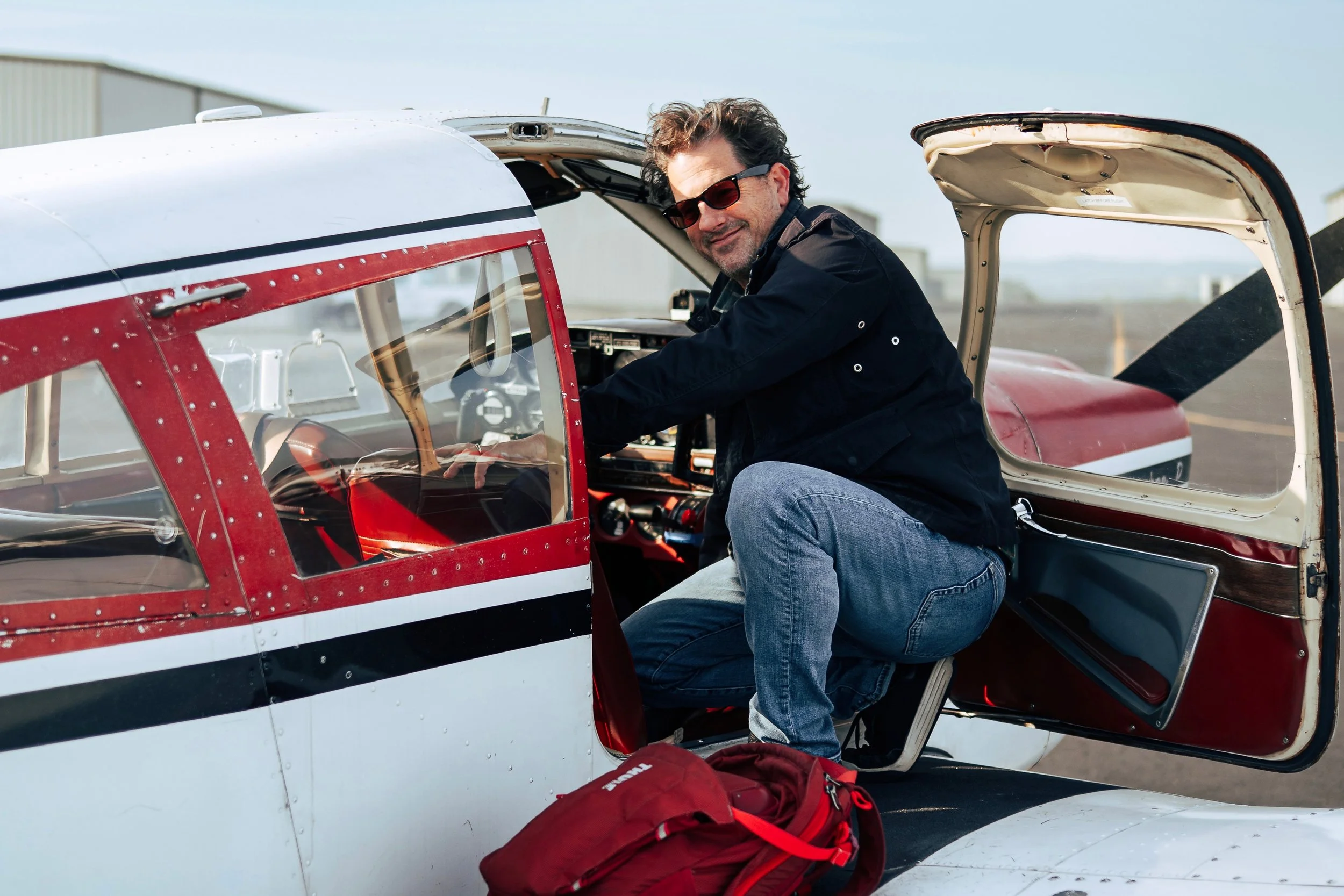
Brian Siskind is an instrument-rated commercial pilot and FAA Ground Instructor in Nashville. He flies a 1967 Piper Cherokee named Lucy VFR to places far from home, the long way. He co-hosts the Midlife Pilot Podcast and wrote Make Small Corrections. This course is the craft he earned on those trips.
QUESTIONS, ANSWERED
Who is The Long Way for?
Certificated VFR pilots who want real confidence on longer cross-countries. If you've got your PPL and you're comfortable in the pattern but longer trips still feel like a stretch, this is for you. No minimum hours, no specific airplane required.
I'm still in training. Take it now or wait?
If you're near the finish line of your PPL, you're welcome to join. Just keep your CFI's syllabus front and center until you've met your basic cross-country requirements. The Long Way picks up after that, building confidence for the longer trips you'll want to fly once the certificate's in your pocket. Prefer to finish first and join a later cohort? That works too.

Do I need an instrument rating?
No. This is VFR planning and judgment. An instrument rating is welcome but not required.
What happens in the four weeks?
Twelve modules across four Thursday evenings. You pick a real trip and we plan it leg by leg: weather, fuel, personal minimums, ground ops, EFB redundancy, engine-out thinking, and human factors. You leave with a trip you can actually go fly.
When and where?
Four Thursday evenings: August 13, 20, 27, and September 3, 7:00 to 8:30 PM Central. Online, and every session is recorded.
What if I miss a night?
You get the recording and resources for that session, so you stay in the flow.
What airplane does this work for?
Any GA airplane you fly. You build the plan around your actual tail number, POH numbers, and equipment.
Is the ground instruction loggable?
Yes. It's loggable as ground instruction.
How big is the cohort?
Capped at 8 so it stays small and you can actually ask questions.
What does it cost?
$399. Reserve your seat and I'll send payment details. Your spot is confirmed once payment is received, since I hold the cap at 8.
Refund policy?
Non-refundable, but if you tell me at least 15 days before the first session, I'll move you to the next cohort. If I ever cancel or reschedule, you move to the next cohort you can attend.
When does the next cohort start?
The August 4 cohort is sold out. The next cohort begins Thursday, August 13 (August 13, 20, 27, and September 3), and seats are open now. Reserve above to hold one, or start 1:1 on your own schedule.
Storm light over mountains
You already know how to fly. This is how you go somewhere.

Go the long way.

The August 4 cohort is sold out. The next cohort begins Thursday, August 13, and seats are open. Reserve a seat, or start 1:1 on your own schedule.
START THE LONG WAY
MAKESMALLCORRECTIONS.COM
Built on Unicorn Platform